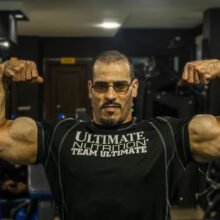
I Used To Think Lifting Weights Was The Only Secret, But Then I Learned How My Plate Was Holding Me Back.
Many people embark on a fitness journey, hitting the gym with dedication, but often overlook one of the most critical components for success: nutrition. Building muscle, losing fat, and improving overall physical performance isn't solely about the hours spent under the bar; it's equally, if not more, about what you fuel your body with throughout the day. Think of your body as a high-performance vehicle; you wouldn't put low-grade fuel into a sports car and expect it to run optimally. The same principle applies to your body when pursuing bodybuilding or any significant fitness goal.
At the core of bodybuilding nutrition lies protein, the essential building block for muscle tissue. When you lift weights, you create tiny tears in your muscle fibers, and protein is what helps repair and rebuild them stronger. Without an adequate intake of protein, your muscles simply won't have the raw materials they need to grow. Good sources include lean meats like chicken breast and turkey, fish, eggs, dairy products such as Greek yogurt and cottage cheese, and plant-based options like lentils, beans, and tofu. Aiming for a consistent intake spread throughout the day is generally recommended to support continuous muscle repair.
While protein gets a lot of attention, carbohydrates are equally vital, serving as your body's primary energy source. They fuel your workouts, providing the stamina and strength needed to push through intense training sessions. Without sufficient carbs, you might feel sluggish, experience premature fatigue, and struggle to perform at your best. Focus on complex carbohydrates like oats, brown rice, quinoa, whole-wheat bread, and sweet potatoes, which provide sustained energy release. Fruits are also excellent sources of simple carbohydrates, offering quick energy and essential vitamins.
Often misunderstood, dietary fats are crucial for overall health and muscle growth, despite common misconceptions. Healthy fats play a significant role in hormone production, including testosterone, which is vital for muscle building. They also help in the absorption of fat-soluble vitamins (A, D, E, K) and provide a concentrated source of energy. Incorporate sources like avocados, nuts, seeds, olive oil, and fatty fish such as salmon into your diet. The key is to choose unsaturated fats over saturated and trans fats, which should be consumed in moderation.
Beyond the macronutrients, a wide array of vitamins and minerals, collectively known as micronutrients, are indispensable for optimal bodily function, energy production, and recovery. Eating a diverse range of fruits, vegetables, and whole grains ensures you're getting these vital components. Equally important, and often overlooked, is hydration. Water plays a role in nearly every bodily process, from nutrient transportation and temperature regulation to joint lubrication and muscle function. Dehydration can severely impair performance and recovery, making it essential to drink plenty of water throughout the day.
While the overall quantity and quality of what you eat are paramount, the timing of your meals can also play a supportive role, especially around your workouts. Consuming a balanced meal or snack before training provides energy, while a post-workout meal rich in protein and carbohydrates aids in recovery and muscle repair. However, consistency is king. Adhering to a well-planned nutrition strategy day in and day out, rather than sporadic efforts, is what truly drives long-term results. Meal preparation can be an invaluable tool to ensure you're consistently meeting your nutritional needs.
In conclusion, bodybuilding nutrition is far more than just "eating healthy"; it's a strategic approach to fueling your body for specific goals. It encompasses a careful balance of macronutrients, an abundance of micronutrients, and consistent hydration, all tailored to support intense training and promote recovery and growth. It's a journey of learning, experimentation, and discipline, but by prioritizing what you put into your body, you unlock its full potential and pave the way for sustainable progress and remarkable transformations.