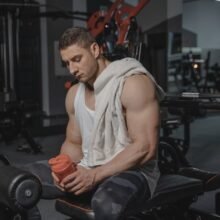
Want To Look Like A Greek God (or Goddess)? Fuel Your Temple Right!
So, you've decided to embark on the noble quest of sculpting a physique that would make Michelangelo weep with joy (or perhaps envy). That's fantastic! But before you start throwing around weights like confetti, let's talk about something equally important: what you're putting into your body. Because, let's be honest, you can't build a skyscraper out of twigs and hopes.
Bodybuilding nutrition isn't about deprivation; it's about strategic fueling. Think of your body as a high-performance machine. You wouldn't put cheap gas in a Ferrari, would you? Similarly, feeding your body with processed foods, sugary drinks, and excessive amounts of unhealthy fats will hinder your progress and leave you feeling sluggish.
The foundation of a solid bodybuilding diet is protein. Protein is the building block of muscle tissue. Without enough of it, you'll be spinning your wheels, no matter how hard you train. Good sources of protein include lean meats, poultry, fish, eggs, dairy products, and plant-based options like lentils and tofu. Aim for roughly 1 gram of protein per pound of bodyweight.
Next up are carbohydrates. Carbs are your body's primary source of energy. Without enough carbs, you'll feel tired and weak during your workouts. Choose complex carbohydrates like brown rice, quinoa, sweet potatoes, and oats over simple carbs like white bread and sugary cereals. These complex carbs provide sustained energy release, keeping you powered throughout your training sessions.
Don't forget about healthy fats! Fats are essential for hormone production, nutrient absorption, and overall health. Include sources like avocados, nuts, seeds, and olive oil in your diet. Just be mindful of portion sizes, as fats are calorie-dense.
Now, let's talk about meal timing. Eating smaller, more frequent meals throughout the day can help keep your metabolism revving and provide a steady stream of nutrients to your muscles. This doesn't mean you need to be constantly munching, but aim for 4-6 meals spaced roughly 3-4 hours apart.
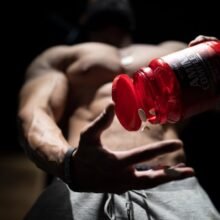
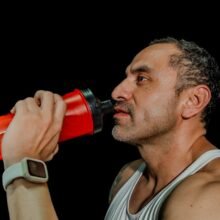
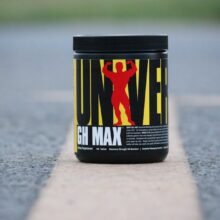
Supplements can play a role in bodybuilding nutrition, but they shouldn't be relied upon as a replacement for a healthy diet. A protein powder can be helpful for hitting your protein targets, and creatine can improve strength and power output. However, it's always best to consult with a healthcare professional or registered dietitian before starting any new supplement regimen.
Building a god-like physique is a journey, not a sprint. Be patient, consistent with your training and nutrition, and remember that progress takes time. Focus on making sustainable lifestyle changes, and you'll be well on your way to achieving your bodybuilding goals. Now, go forth and sculpt!