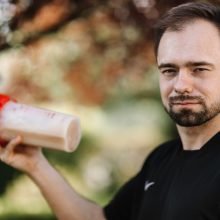
Fuel Your Gains: The Undeniable Power Of Smart Bodybuilding Nutrition.
Many embark on a fitness journey with enthusiasm for lifting weights, pushing their limits in the gym, and watching their strength increase. While dedication to training is undoubtedly crucial, the secret ingredient to truly transforming your physique and achieving your bodybuilding goals lies not just in what you do at the gym, but overwhelmingly in what you consume outside of it. Nutrition is not merely a supporting act; it is the cornerstone upon which all muscle growth, recovery, and performance are built, representing at least half of the equation for success.
At the heart of any effective bodybuilding diet are macronutrients: protein, carbohydrates, and fats. Protein is perhaps the most celebrated macronutrient for bodybuilders, and for good reason. It provides the amino acids necessary for muscle repair and growth, acting as the building blocks for new tissue. Without an adequate intake of high-quality protein, your muscles simply cannot recover effectively from intense workouts, let alone grow stronger and larger. Lean meats, poultry, fish, eggs, dairy, and legumes are excellent sources to prioritize.
Carbohydrates, often misunderstood, are equally vital. They are your body's primary source of energy, fueling your workouts and replenishing glycogen stores in your muscles and liver. Adequate carbohydrate intake ensures you have the stamina and power to perform at your best during training sessions, preventing muscle breakdown for energy. Opt for complex carbohydrates like whole grains, fruits, and vegetables, which provide sustained energy and essential fiber.
Healthy fats, despite past misconceptions, are indispensable for overall health and bodybuilding progress. They play a critical role in hormone production, nutrient absorption, and maintaining cellular integrity. Essential fatty acids are crucial for reducing inflammation and supporting joint health, which is particularly important for those engaged in strenuous physical activity. Incorporate sources like avocados, nuts, seeds, olive oil, and fatty fish into your daily diet.
Beyond the big three macronutrients, micronutrients—vitamins and minerals—are the unsung heroes of bodybuilding nutrition. These tiny powerhouses facilitate countless bodily processes, from energy metabolism and immune function to bone health and muscle contraction. A diet rich in a variety of fruits, vegetables, and whole foods will typically provide a sufficient spectrum of these vital compounds. Furthermore, proper hydration is non-negotiable; water is essential for nutrient transport, temperature regulation, and joint lubrication, directly impacting performance and recovery.
The timing of your meals also holds significant importance in a bodybuilding regimen. Consuming protein and carbohydrates around your workouts, particularly in the post-exercise window, can optimize muscle recovery and growth by replenishing glycogen and providing amino acids when your muscles are most receptive. While strict timing isn't always necessary for general health, for specific bodybuilding goals, it can be a powerful tool to maximize results and minimize muscle breakdown.
Ultimately, bodybuilding nutrition is about consistency and making informed choices day in and day out. It’s not about temporary diets or extreme restrictions, but rather about adopting a sustainable eating pattern that supports your training and recovery needs. Viewing food as fuel and a tool for achieving your physical aspirations will empower you to make choices that align with your goals, leading to a stronger, healthier, and more muscular physique.
Embracing a well-structured nutritional plan is not just about seeing visual changes; it’s about optimizing your internal health, boosting your energy levels, and enhancing your overall well-being. By understanding the critical role of each food group and consistently fueling your body with the right nutrients, you are not just building muscle; you are building a foundation for lifelong health and unlocking your true physical potential.